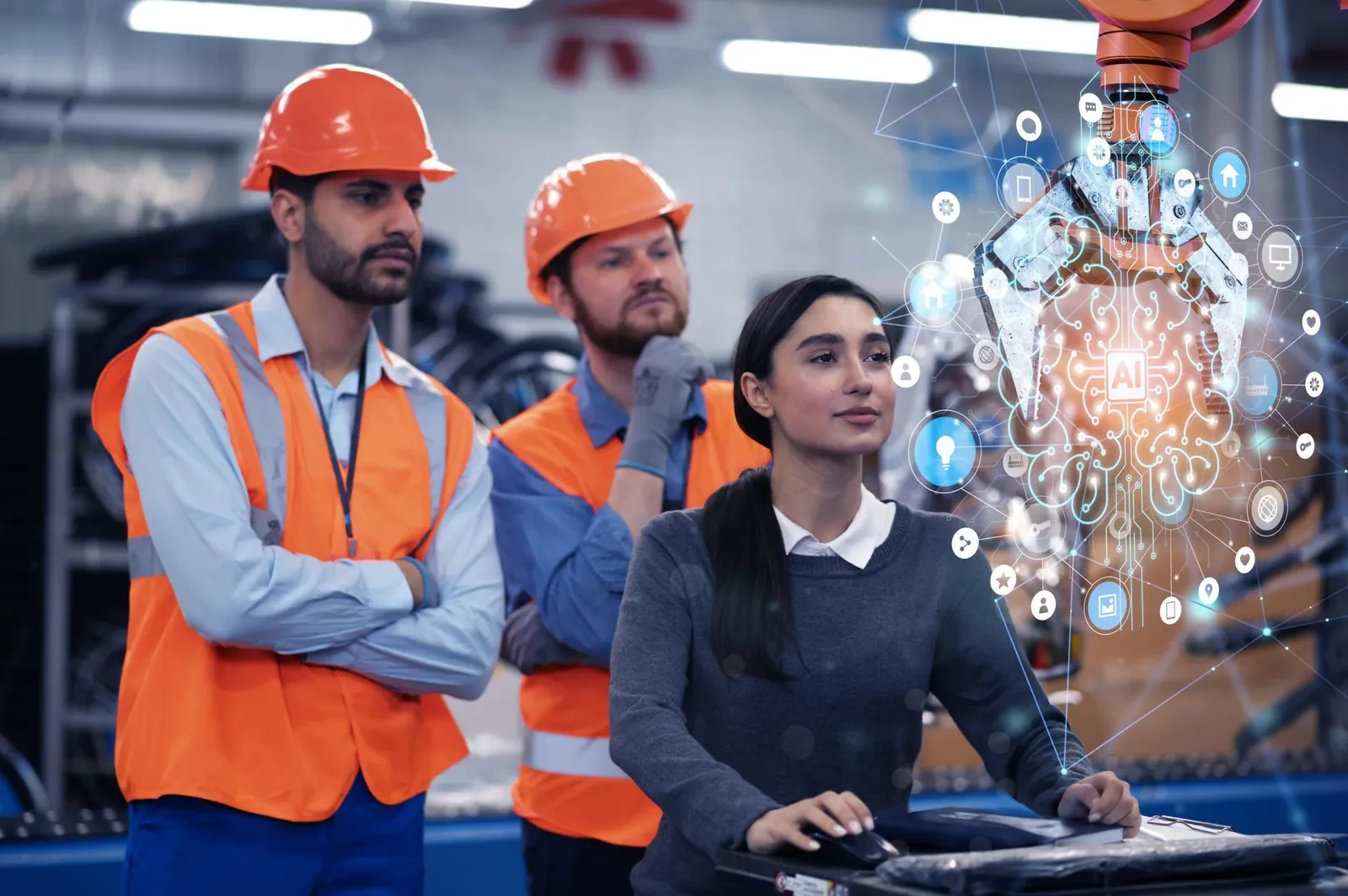
What You Should Know About Automation in the Skilled Trades
· 4 min read
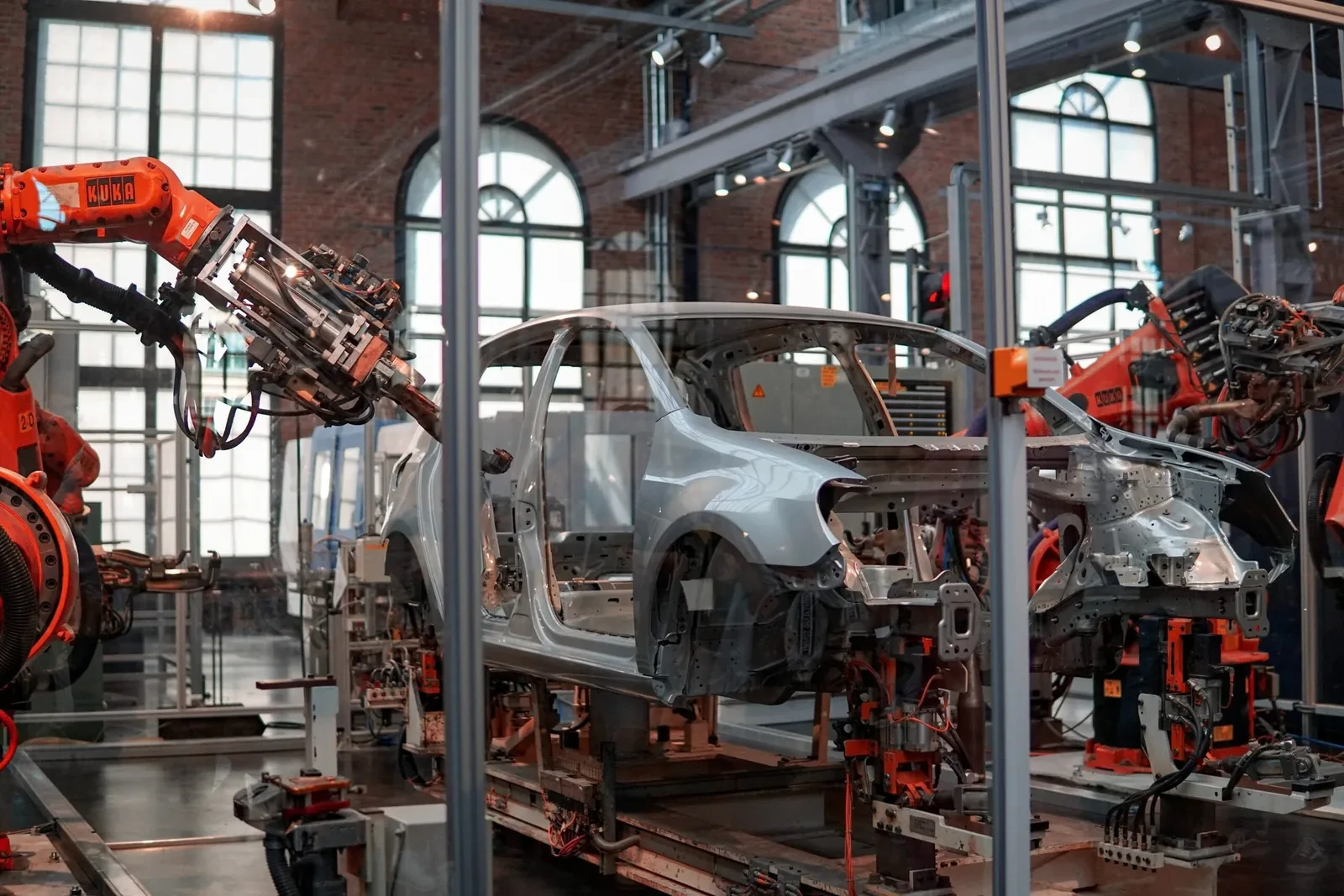
In the skilled trades, technological advancements are transforming the way companies work and shaping the future of the industry. Automation, once associated mainly with manufacturing and assembly lines, is now becoming an indispensable part of countless industries and trades, including construction, carpentry, plumbing, electrical work, and more.
As the adoption of automation becomes more widespread across many industries, what does it mean for skilled workers? What about employers, HR departments, and staffing agencies?
In this primer, we’ll explore the key issues surrounding automation in the skilled trades and why it’s crucial for businesses to embrace this technological revolution.
How is automation being integrated into the skilled trades?
Automation in skilled trades involves the integration of smart machines, robotics, and computer-controlled processes into traditional craftsmanship. These technologies are designed to enhance efficiency, accuracy, and safety, providing tradespeople with advanced tools and techniques to tackle complex tasks with greater precision.
But what does it look like? In practice, automation can involve everything from sensors that monitor equipment and drones that transport materials to robots that pour concrete and computer systems that plan projects. These new technologies are designed to work alongside skilled workers, taking over the most repetitive, dangerous, and time-consuming jobs.
What impact is automation having on skilled work?
Automation is causing fundamental shifts in how skilled work is conducted. The top issues that workers, leaders, and recruiters should be aware of fall into a few main categories.
Improved efficiency and productivity
One of the most significant benefits of automation in the skilled trades is the substantial improvement in efficiency and productivity. Smart machines and robots can execute repetitive tasks with unmatched precision and speed, reducing human errors and minimizing wasted time and resources. This, in turn, allows skilled tradespeople to focus on more creative and challenging tasks. The result? More work gets done, and the quality of the total output is higher.
Enhanced safety and risk mitigation
The integration of automation in the skilled trades also enhances safety and reduces the risk to workers. When dangerous and hazardous tasks can be delegated to robots, it reduces the risk of injuries and accidents for employees. Many new automated machines can be remotely operated, allowing people to work in hazardous environments from a safe distance. These technological advances mark a pivotal leap forward for safety within factories and on job sites, ensuring that workers are safer and more protected.
Skill augmentation, not replacement
Contrary to popular belief, automation in skilled trades does not render skilled workers obsolete. Instead, it complements their skills and expertise. These technologies act as valuable assistants, enabling craftspeople to tackle larger and more intricate projects that might not otherwise be achievable. The human touch remains crucial in decision-making, creativity, and the ability to adapt to unexpected challenges that arise during a project.
Training and upskilling opportunities
Embracing automation in skilled trades requires a shift in mindset and a willingness to adapt to new technologies. As traditional skills combine with digital prowess, there is a growing need for training and upskilling opportunities for tradespeople. Businesses and educational institutions must collaborate to provide courses and workshops that equip craftsmen with the necessary knowledge to utilize and operate automated tools effectively.
Precision and consistency in craftsmanship
Incorporating automation ensures consistent results and precision in craftsmanship. The level of accuracy achieved by smart machines and robotics surpasses what can be achieved manually. This is especially crucial in tasks that demand exact measurements, such as cabinetry, electrical wiring, and structural design. Automation guarantees that the finished product meets the highest quality standards, every time. It’s a benefit appreciated by customers, managers, and workers, alike.
Cost-effectiveness and competitive advantage
While the initial investment in automation technology can seem daunting, especially to smaller businesses, you can ultimately expect it to result in long-term cost-effectiveness. Automated processes reduce enhance productivity, which enables teams to accelerate project timelines and get more done faster. Plus, businesses that adopt automation gain a competitive edge in the market, attracting clients who seek modern, efficient craftsmanship.
Environmental impact
Automation in skilled trades also offers environmental benefits. By optimizing material usage and minimizing waste, these technologies play a crucial role in sustainable construction and manufacturing practices. Furthermore, some automated tools are designed to operate on cleaner energy sources, reducing the carbon footprint of many industries.
The bottom line
Automation is becoming a powerful force in sectors that utilize skilled trades. By revolutionizing traditional processes, it boosts efficiency, accuracy, safety, and overall quality. Embracing automation provides opportunities for growth and development, ensuring that skilled trades remain relevant and competitive in a rapidly evolving world.
To thrive in this technological era, skilled workers should embrace automation with an open mind, recognizing that it augments their skills rather than replacing them. By investing in training and upskilling, the industry can leverage the full potential of automation to create a future that is both innovative and sustainable.
You can bring the power of automation to your HR department or staffing agency, too. Labourly automates the most common and time-consuming hiring tasks for companies that manage skilled workers. Book a demo call with our team to explore staffing software solutions for your team.